Deck failures are rarely sudden—inspection guidance from the North American Deck & Railing Association (NADRA) points to ledger board attachment and post connections as the two most common failure points. These aren’t glamorous details. They’re the invisible structural anchors that hold everything together.
The ledger board is where the deck attaches to your house. It’s the single most critical failure point. A ledger attached with nails or inadequate fasteners—or worse, attached over house wrap, flashing, or siding—will eventually separate from the house frame. When this happens, the entire deck can collapse, especially if there are people standing on the side toward the house.
Post connections are the second critical detail. Posts must sit on footings that extend below the frost line (critical in New England—this is typically 4 feet deep in New Hampshire). Posts should never sit directly on concrete at ground level or, worse, on rotting wood beams. Frost heave will shift an improperly set post, putting lateral stress on connections throughout the deck frame.
Beyond these two foundational issues, water intrusion into fasteners, handrail posts, and deck boards is the primary cause of progressive decay. A properly detailed deck has flashing, water shedding details, and material choices that slow deterioration. A poorly detailed one will have rot spreading invisibly within five to seven years.
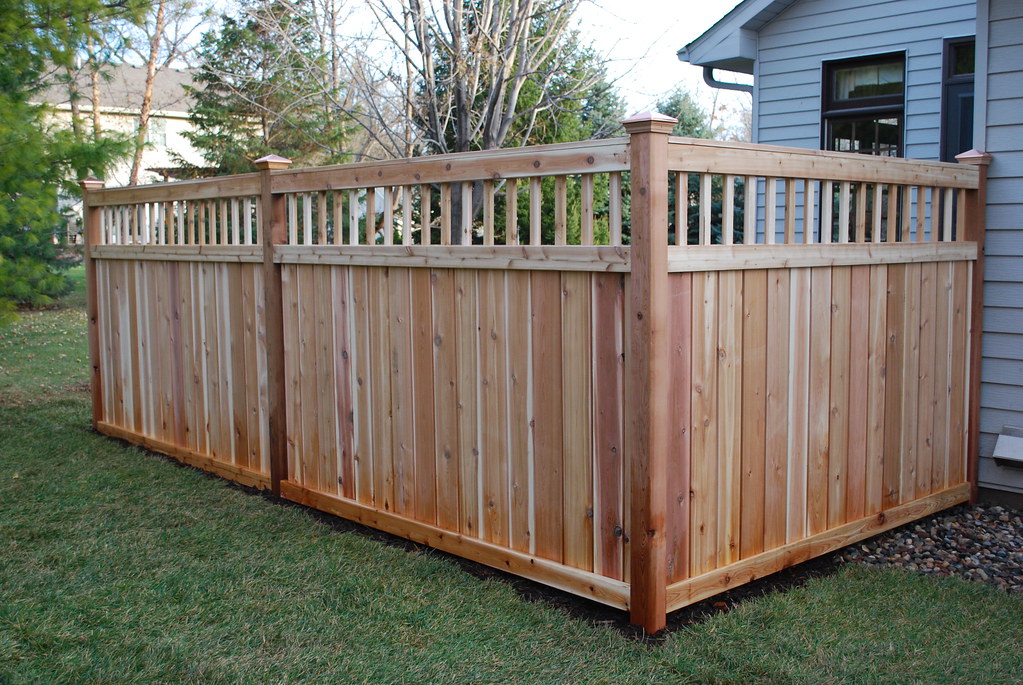
Quality deck construction shows attention to detail in every connection and finish
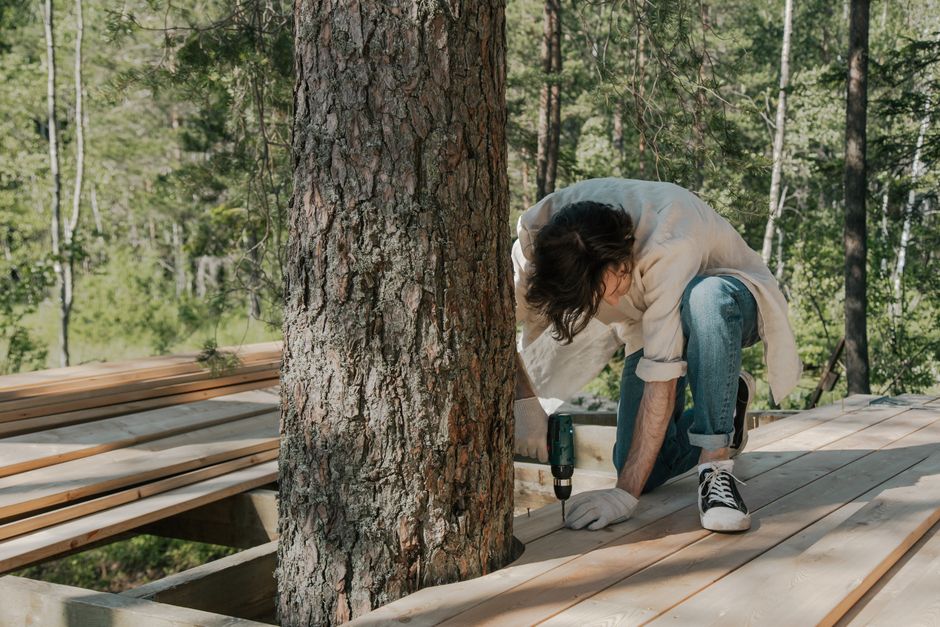
Proper deck framing with visible foundation and structural details
A Worked Example: What to Look For
Suppose you have a ten-year-old deck and you’re wondering whether to repair or replace it. Here’s what a professional inspection should cover:
Ledger board inspection: Look for separation between the deck and the house. Press on the ledger with your hand—does it move? Check underneath for flashing, and look for signs of water damage on the house wall. If the ledger is attached with nails alone, it needs to be retrofitted with bolts.
Post footings: Dig down 12 inches around each post. Are the footings below the frost line? Is there concrete or just soil? Any settling or shifting visible? Frost heave will show up as tilted posts or gaps opening between posts and beams.
Wood condition: Use a moisture meter on posts, beams, and rim boards. Anything above 25% moisture content is at risk of decay. Prod suspect areas with an awl—if it sinks easily, the wood is rotted and needs replacement.
Fasteners: Look for rust stains on wood around bolts and lag screws. Rust means water is penetrating. Corroded fasteners need replacement with galvanized or stainless steel equivalents.
Handrails and balusters: Test them by pushing—they should be rigid. Any movement indicates loose connections or rotted posts underneath. Building code requires 4-inch sphere passage rules for baluster spacing.
The Takeaway: Inspection Prevents Crisis
A deck that’s professionally inspected every 3–5 years and maintained with attention to water shedding and fastener condition can easily outlast 20, 30, even 40 years. Conversely, a deck that’s left to deteriorate silently—with a failing ledger, frost-heaved posts, and rotting wood—becomes a safety liability within a decade.
When you hire a contractor for deck work—whether building new or repairing existing—ensure they understand these structural fundamentals. A contractor who can walk you through proper ledger attachment, post footing depth, and flashing details is one who understands where decks fail and how to prevent it. That knowledge, more than brand name or marketing, is what separates quality work from the kind that will haunt your property years later.
Have questions about evaluating deck work or contractors? Reach out to us. We’re here to help you understand the difference between good work and shortcuts.
Ready to Evaluate Your Deck or Start a New Project?
Our directory connects you with contractors who understand these details. Browse our verified professionals or get in touch with questions.
Deck failures are rarely sudden—inspection guidance from the North American Deck & Railing Association (NADRA) points to ledger board attachment and post connections as the two most common failure points. These aren’t glamorous details. They’re the invisible structural anchors that hold everything together.
The ledger board is where the deck attaches to your house. It’s the single most critical failure point. A ledger attached with nails or inadequate fasteners—or worse, attached over house wrap, flashing, or siding—will eventually separate from the house frame. When this happens, the entire deck can collapse, especially if there are people standing on the side toward the house.
Post connections are the second critical detail. Posts must sit on footings that extend below the frost line (critical in New England—this is typically 4 feet deep in New Hampshire). Posts should never sit directly on concrete at ground level or, worse, on rotting wood beams. Frost heave will shift an improperly set post, putting lateral stress on connections throughout the deck frame.
Beyond these two foundational issues, water intrusion into fasteners, handrail posts, and deck boards is the primary cause of progressive decay. A properly detailed deck has flashing, water shedding details, and material choices that slow deterioration. A poorly detailed one will have rot spreading invisibly within five to seven years.
Quality deck construction shows attention to detail in every connection and finish
Proper deck framing with visible foundation and structural details
A Worked Example: What to Look For
Suppose you have a ten-year-old deck and you’re wondering whether to repair or replace it. Here’s what a professional inspection should cover:
Ledger board inspection: Look for separation between the deck and the house. Press on the ledger with your hand—does it move? Check underneath for flashing, and look for signs of water damage on the house wall. If the ledger is attached with nails alone, it needs to be retrofitted with bolts.
Post footings: Dig down 12 inches around each post. Are the footings below the frost line? Is there concrete or just soil? Any settling or shifting visible? Frost heave will show up as tilted posts or gaps opening between posts and beams.
Wood condition: Use a moisture meter on posts, beams, and rim boards. Anything above 25% moisture content is at risk of decay. Prod suspect areas with an awl—if it sinks easily, the wood is rotted and needs replacement.
Fasteners: Look for rust stains on wood around bolts and lag screws. Rust means water is penetrating. Corroded fasteners need replacement with galvanized or stainless steel equivalents.
Handrails and balusters: Test them by pushing—they should be rigid. Any movement indicates loose connections or rotted posts underneath. Building code requires 4-inch sphere passage rules for baluster spacing.
The Takeaway: Inspection Prevents Crisis
A deck that’s professionally inspected every 3–5 years and maintained with attention to water shedding and fastener condition can easily outlast 20, 30, even 40 years. Conversely, a deck that’s left to deteriorate silently—with a failing ledger, frost-heaved posts, and rotting wood—becomes a safety liability within a decade.
When you hire a contractor for deck work—whether building new or repairing existing—ensure they understand these structural fundamentals. A contractor who can walk you through proper ledger attachment, post footing depth, and flashing details is one who understands where decks fail and how to prevent it. That knowledge, more than brand name or marketing, is what separates quality work from the kind that will haunt your property years later.
Have questions about evaluating deck work or contractors? Reach out to us. We’re here to help you understand the difference between good work and shortcuts.
Ready to Evaluate Your Deck or Start a New Project?
Our directory connects you with contractors who understand these details. Browse our verified professionals or get in touch with questions.
Proper deck framing with visible foundation and structural details
A Worked Example: What to Look For
Suppose you have a ten-year-old deck and you’re wondering whether to repair or replace it. Here’s what a professional inspection should cover:
Ledger board inspection: Look for separation between the deck and the house. Press on the ledger with your hand—does it move? Check underneath for flashing, and look for signs of water damage on the house wall. If the ledger is attached with nails alone, it needs to be retrofitted with bolts.
Post footings: Dig down 12 inches around each post. Are the footings below the frost line? Is there concrete or just soil? Any settling or shifting visible? Frost heave will show up as tilted posts or gaps opening between posts and beams.
Wood condition: Use a moisture meter on posts, beams, and rim boards. Anything above 25% moisture content is at risk of decay. Prod suspect areas with an awl—if it sinks easily, the wood is rotted and needs replacement.
Fasteners: Look for rust stains on wood around bolts and lag screws. Rust means water is penetrating. Corroded fasteners need replacement with galvanized or stainless steel equivalents.
Handrails and balusters: Test them by pushing—they should be rigid. Any movement indicates loose connections or rotted posts underneath. Building code requires 4-inch sphere passage rules for baluster spacing.
The Takeaway: Inspection Prevents Crisis
A deck that’s professionally inspected every 3–5 years and maintained with attention to water shedding and fastener condition can easily outlast 20, 30, even 40 years. Conversely, a deck that’s left to deteriorate silently—with a failing ledger, frost-heaved posts, and rotting wood—becomes a safety liability within a decade.
When you hire a contractor for deck work—whether building new or repairing existing—ensure they understand these structural fundamentals. A contractor who can walk you through proper ledger attachment, post footing depth, and flashing details is one who understands where decks fail and how to prevent it. That knowledge, more than brand name or marketing, is what separates quality work from the kind that will haunt your property years later.
Have questions about evaluating deck work or contractors? Reach out to us. We’re here to help you understand the difference between good work and shortcuts.
Ready to Evaluate Your Deck or Start a New Project?
Our directory connects you with contractors who understand these details. Browse our verified professionals or get in touch with questions.
Deck failures are rarely sudden—inspection guidance from the North American Deck & Railing Association (NADRA) points to ledger board attachment and post connections as the two most common failure points. These aren’t glamorous details. They’re the invisible structural anchors that hold everything together.
The ledger board is where the deck attaches to your house. It’s the single most critical failure point. A ledger attached with nails or inadequate fasteners—or worse, attached over house wrap, flashing, or siding—will eventually separate from the house frame. When this happens, the entire deck can collapse, especially if there are people standing on the side toward the house.
Post connections are the second critical detail. Posts must sit on footings that extend below the frost line (critical in New England—this is typically 4 feet deep in New Hampshire). Posts should never sit directly on concrete at ground level or, worse, on rotting wood beams. Frost heave will shift an improperly set post, putting lateral stress on connections throughout the deck frame.
Beyond these two foundational issues, water intrusion into fasteners, handrail posts, and deck boards is the primary cause of progressive decay. A properly detailed deck has flashing, water shedding details, and material choices that slow deterioration. A poorly detailed one will have rot spreading invisibly within five to seven years.
Quality deck construction shows attention to detail in every connection and finish
Proper deck framing with visible foundation and structural details
A Worked Example: What to Look For
Suppose you have a ten-year-old deck and you’re wondering whether to repair or replace it. Here’s what a professional inspection should cover:
Ledger board inspection: Look for separation between the deck and the house. Press on the ledger with your hand—does it move? Check underneath for flashing, and look for signs of water damage on the house wall. If the ledger is attached with nails alone, it needs to be retrofitted with bolts.
Post footings: Dig down 12 inches around each post. Are the footings below the frost line? Is there concrete or just soil? Any settling or shifting visible? Frost heave will show up as tilted posts or gaps opening between posts and beams.
Wood condition: Use a moisture meter on posts, beams, and rim boards. Anything above 25% moisture content is at risk of decay. Prod suspect areas with an awl—if it sinks easily, the wood is rotted and needs replacement.
Fasteners: Look for rust stains on wood around bolts and lag screws. Rust means water is penetrating. Corroded fasteners need replacement with galvanized or stainless steel equivalents.
Handrails and balusters: Test them by pushing—they should be rigid. Any movement indicates loose connections or rotted posts underneath. Building code requires 4-inch sphere passage rules for baluster spacing.
The Takeaway: Inspection Prevents Crisis
A deck that’s professionally inspected every 3–5 years and maintained with attention to water shedding and fastener condition can easily outlast 20, 30, even 40 years. Conversely, a deck that’s left to deteriorate silently—with a failing ledger, frost-heaved posts, and rotting wood—becomes a safety liability within a decade.
When you hire a contractor for deck work—whether building new or repairing existing—ensure they understand these structural fundamentals. A contractor who can walk you through proper ledger attachment, post footing depth, and flashing details is one who understands where decks fail and how to prevent it. That knowledge, more than brand name or marketing, is what separates quality work from the kind that will haunt your property years later.
Have questions about evaluating deck work or contractors? Reach out to us. We’re here to help you understand the difference between good work and shortcuts.
Ready to Evaluate Your Deck or Start a New Project?
Our directory connects you with contractors who understand these details. Browse our verified professionals or get in touch with questions.
Deck failures are rarely sudden—inspection guidance from the North American Deck & Railing Association (NADRA) points to ledger board attachment and post connections as the two most common failure points. These aren’t glamorous details. They’re the invisible structural anchors that hold everything together.
The ledger board is where the deck attaches to your house. It’s the single most critical failure point. A ledger attached with nails or inadequate fasteners—or worse, attached over house wrap, flashing, or siding—will eventually separate from the house frame. When this happens, the entire deck can collapse, especially if there are people standing on the side toward the house.
Post connections are the second critical detail. Posts must sit on footings that extend below the frost line (critical in New England—this is typically 4 feet deep in New Hampshire). Posts should never sit directly on concrete at ground level or, worse, on rotting wood beams. Frost heave will shift an improperly set post, putting lateral stress on connections throughout the deck frame.
Beyond these two foundational issues, water intrusion into fasteners, handrail posts, and deck boards is the primary cause of progressive decay. A properly detailed deck has flashing, water shedding details, and material choices that slow deterioration. A poorly detailed one will have rot spreading invisibly within five to seven years.
Quality deck construction shows attention to detail in every connection and finish
Proper deck framing with visible foundation and structural details
A Worked Example: What to Look For
Suppose you have a ten-year-old deck and you’re wondering whether to repair or replace it. Here’s what a professional inspection should cover:
Ledger board inspection: Look for separation between the deck and the house. Press on the ledger with your hand—does it move? Check underneath for flashing, and look for signs of water damage on the house wall. If the ledger is attached with nails alone, it needs to be retrofitted with bolts.
Post footings: Dig down 12 inches around each post. Are the footings below the frost line? Is there concrete or just soil? Any settling or shifting visible? Frost heave will show up as tilted posts or gaps opening between posts and beams.
Wood condition: Use a moisture meter on posts, beams, and rim boards. Anything above 25% moisture content is at risk of decay. Prod suspect areas with an awl—if it sinks easily, the wood is rotted and needs replacement.
Fasteners: Look for rust stains on wood around bolts and lag screws. Rust means water is penetrating. Corroded fasteners need replacement with galvanized or stainless steel equivalents.
Handrails and balusters: Test them by pushing—they should be rigid. Any movement indicates loose connections or rotted posts underneath. Building code requires 4-inch sphere passage rules for baluster spacing.
The Takeaway: Inspection Prevents Crisis
A deck that’s professionally inspected every 3–5 years and maintained with attention to water shedding and fastener condition can easily outlast 20, 30, even 40 years. Conversely, a deck that’s left to deteriorate silently—with a failing ledger, frost-heaved posts, and rotting wood—becomes a safety liability within a decade.
When you hire a contractor for deck work—whether building new or repairing existing—ensure they understand these structural fundamentals. A contractor who can walk you through proper ledger attachment, post footing depth, and flashing details is one who understands where decks fail and how to prevent it. That knowledge, more than brand name or marketing, is what separates quality work from the kind that will haunt your property years later.
Have questions about evaluating deck work or contractors? Reach out to us. We’re here to help you understand the difference between good work and shortcuts.
Ready to Evaluate Your Deck or Start a New Project?
Our directory connects you with contractors who understand these details. Browse our verified professionals or get in touch with questions.
Deck failures are rarely sudden—inspection guidance from the North American Deck & Railing Association (NADRA) points to ledger board attachment and post connections as the two most common failure points. These aren’t glamorous details. They’re the invisible structural anchors that hold everything together.
The ledger board is where the deck attaches to your house. It’s the single most critical failure point. A ledger attached with nails or inadequate fasteners—or worse, attached over house wrap, flashing, or siding—will eventually separate from the house frame. When this happens, the entire deck can collapse, especially if there are people standing on the side toward the house.
Post connections are the second critical detail. Posts must sit on footings that extend below the frost line (critical in New England—this is typically 4 feet deep in New Hampshire). Posts should never sit directly on concrete at ground level or, worse, on rotting wood beams. Frost heave will shift an improperly set post, putting lateral stress on connections throughout the deck frame.
Beyond these two foundational issues, water intrusion into fasteners, handrail posts, and deck boards is the primary cause of progressive decay. A properly detailed deck has flashing, water shedding details, and material choices that slow deterioration. A poorly detailed one will have rot spreading invisibly within five to seven years.
Quality deck construction shows attention to detail in every connection and finish
Proper deck framing with visible foundation and structural details
A Worked Example: What to Look For
Suppose you have a ten-year-old deck and you’re wondering whether to repair or replace it. Here’s what a professional inspection should cover:
Ledger board inspection: Look for separation between the deck and the house. Press on the ledger with your hand—does it move? Check underneath for flashing, and look for signs of water damage on the house wall. If the ledger is attached with nails alone, it needs to be retrofitted with bolts.
Post footings: Dig down 12 inches around each post. Are the footings below the frost line? Is there concrete or just soil? Any settling or shifting visible? Frost heave will show up as tilted posts or gaps opening between posts and beams.
Wood condition: Use a moisture meter on posts, beams, and rim boards. Anything above 25% moisture content is at risk of decay. Prod suspect areas with an awl—if it sinks easily, the wood is rotted and needs replacement.
Fasteners: Look for rust stains on wood around bolts and lag screws. Rust means water is penetrating. Corroded fasteners need replacement with galvanized or stainless steel equivalents.
Handrails and balusters: Test them by pushing—they should be rigid. Any movement indicates loose connections or rotted posts underneath. Building code requires 4-inch sphere passage rules for baluster spacing.
The Takeaway: Inspection Prevents Crisis
A deck that’s professionally inspected every 3–5 years and maintained with attention to water shedding and fastener condition can easily outlast 20, 30, even 40 years. Conversely, a deck that’s left to deteriorate silently—with a failing ledger, frost-heaved posts, and rotting wood—becomes a safety liability within a decade.
When you hire a contractor for deck work—whether building new or repairing existing—ensure they understand these structural fundamentals. A contractor who can walk you through proper ledger attachment, post footing depth, and flashing details is one who understands where decks fail and how to prevent it. That knowledge, more than brand name or marketing, is what separates quality work from the kind that will haunt your property years later.
Have questions about evaluating deck work or contractors? Reach out to us. We’re here to help you understand the difference between good work and shortcuts.
Ready to Evaluate Your Deck or Start a New Project?
Our directory connects you with contractors who understand these details. Browse our verified professionals or get in touch with questions.
Proper deck framing with visible foundation and structural details
A Worked Example: What to Look For
Suppose you have a ten-year-old deck and you’re wondering whether to repair or replace it. Here’s what a professional inspection should cover:
Ledger board inspection: Look for separation between the deck and the house. Press on the ledger with your hand—does it move? Check underneath for flashing, and look for signs of water damage on the house wall. If the ledger is attached with nails alone, it needs to be retrofitted with bolts.
Post footings: Dig down 12 inches around each post. Are the footings below the frost line? Is there concrete or just soil? Any settling or shifting visible? Frost heave will show up as tilted posts or gaps opening between posts and beams.
Wood condition: Use a moisture meter on posts, beams, and rim boards. Anything above 25% moisture content is at risk of decay. Prod suspect areas with an awl—if it sinks easily, the wood is rotted and needs replacement.
Fasteners: Look for rust stains on wood around bolts and lag screws. Rust means water is penetrating. Corroded fasteners need replacement with galvanized or stainless steel equivalents.
Handrails and balusters: Test them by pushing—they should be rigid. Any movement indicates loose connections or rotted posts underneath. Building code requires 4-inch sphere passage rules for baluster spacing.
The Takeaway: Inspection Prevents Crisis
A deck that’s professionally inspected every 3–5 years and maintained with attention to water shedding and fastener condition can easily outlast 20, 30, even 40 years. Conversely, a deck that’s left to deteriorate silently—with a failing ledger, frost-heaved posts, and rotting wood—becomes a safety liability within a decade.
When you hire a contractor for deck work—whether building new or repairing existing—ensure they understand these structural fundamentals. A contractor who can walk you through proper ledger attachment, post footing depth, and flashing details is one who understands where decks fail and how to prevent it. That knowledge, more than brand name or marketing, is what separates quality work from the kind that will haunt your property years later.
Have questions about evaluating deck work or contractors? Reach out to us. We’re here to help you understand the difference between good work and shortcuts.
Ready to Evaluate Your Deck or Start a New Project?
Our directory connects you with contractors who understand these details. Browse our verified professionals or get in touch with questions.
Deck failures are rarely sudden—inspection guidance from the North American Deck & Railing Association (NADRA) points to ledger board attachment and post connections as the two most common failure points. These aren’t glamorous details. They’re the invisible structural anchors that hold everything together.
The ledger board is where the deck attaches to your house. It’s the single most critical failure point. A ledger attached with nails or inadequate fasteners—or worse, attached over house wrap, flashing, or siding—will eventually separate from the house frame. When this happens, the entire deck can collapse, especially if there are people standing on the side toward the house.
Post connections are the second critical detail. Posts must sit on footings that extend below the frost line (critical in New England—this is typically 4 feet deep in New Hampshire). Posts should never sit directly on concrete at ground level or, worse, on rotting wood beams. Frost heave will shift an improperly set post, putting lateral stress on connections throughout the deck frame.
Beyond these two foundational issues, water intrusion into fasteners, handrail posts, and deck boards is the primary cause of progressive decay. A properly detailed deck has flashing, water shedding details, and material choices that slow deterioration. A poorly detailed one will have rot spreading invisibly within five to seven years.
Quality deck construction shows attention to detail in every connection and finish
Proper deck framing with visible foundation and structural details
A Worked Example: What to Look For
Suppose you have a ten-year-old deck and you’re wondering whether to repair or replace it. Here’s what a professional inspection should cover:
Ledger board inspection: Look for separation between the deck and the house. Press on the ledger with your hand—does it move? Check underneath for flashing, and look for signs of water damage on the house wall. If the ledger is attached with nails alone, it needs to be retrofitted with bolts.
Post footings: Dig down 12 inches around each post. Are the footings below the frost line? Is there concrete or just soil? Any settling or shifting visible? Frost heave will show up as tilted posts or gaps opening between posts and beams.
Wood condition: Use a moisture meter on posts, beams, and rim boards. Anything above 25% moisture content is at risk of decay. Prod suspect areas with an awl—if it sinks easily, the wood is rotted and needs replacement.
Fasteners: Look for rust stains on wood around bolts and lag screws. Rust means water is penetrating. Corroded fasteners need replacement with galvanized or stainless steel equivalents.
Handrails and balusters: Test them by pushing—they should be rigid. Any movement indicates loose connections or rotted posts underneath. Building code requires 4-inch sphere passage rules for baluster spacing.
The Takeaway: Inspection Prevents Crisis
A deck that’s professionally inspected every 3–5 years and maintained with attention to water shedding and fastener condition can easily outlast 20, 30, even 40 years. Conversely, a deck that’s left to deteriorate silently—with a failing ledger, frost-heaved posts, and rotting wood—becomes a safety liability within a decade.
When you hire a contractor for deck work—whether building new or repairing existing—ensure they understand these structural fundamentals. A contractor who can walk you through proper ledger attachment, post footing depth, and flashing details is one who understands where decks fail and how to prevent it. That knowledge, more than brand name or marketing, is what separates quality work from the kind that will haunt your property years later.
Have questions about evaluating deck work or contractors? Reach out to us. We’re here to help you understand the difference between good work and shortcuts.
Ready to Evaluate Your Deck or Start a New Project?
Our directory connects you with contractors who understand these details. Browse our verified professionals or get in touch with questions.
Deck failures are rarely sudden—inspection guidance from the North American Deck & Railing Association (NADRA) points to ledger board attachment and post connections as the two most common failure points. These aren’t glamorous details. They’re the invisible structural anchors that hold everything together.
The ledger board is where the deck attaches to your house. It’s the single most critical failure point. A ledger attached with nails or inadequate fasteners—or worse, attached over house wrap, flashing, or siding—will eventually separate from the house frame. When this happens, the entire deck can collapse, especially if there are people standing on the side toward the house.
Post connections are the second critical detail. Posts must sit on footings that extend below the frost line (critical in New England—this is typically 4 feet deep in New Hampshire). Posts should never sit directly on concrete at ground level or, worse, on rotting wood beams. Frost heave will shift an improperly set post, putting lateral stress on connections throughout the deck frame.
Beyond these two foundational issues, water intrusion into fasteners, handrail posts, and deck boards is the primary cause of progressive decay. A properly detailed deck has flashing, water shedding details, and material choices that slow deterioration. A poorly detailed one will have rot spreading invisibly within five to seven years.
Quality deck construction shows attention to detail in every connection and finish
Proper deck framing with visible foundation and structural details
A Worked Example: What to Look For
Suppose you have a ten-year-old deck and you’re wondering whether to repair or replace it. Here’s what a professional inspection should cover:
Ledger board inspection: Look for separation between the deck and the house. Press on the ledger with your hand—does it move? Check underneath for flashing, and look for signs of water damage on the house wall. If the ledger is attached with nails alone, it needs to be retrofitted with bolts.
Post footings: Dig down 12 inches around each post. Are the footings below the frost line? Is there concrete or just soil? Any settling or shifting visible? Frost heave will show up as tilted posts or gaps opening between posts and beams.
Wood condition: Use a moisture meter on posts, beams, and rim boards. Anything above 25% moisture content is at risk of decay. Prod suspect areas with an awl—if it sinks easily, the wood is rotted and needs replacement.
Fasteners: Look for rust stains on wood around bolts and lag screws. Rust means water is penetrating. Corroded fasteners need replacement with galvanized or stainless steel equivalents.
Handrails and balusters: Test them by pushing—they should be rigid. Any movement indicates loose connections or rotted posts underneath. Building code requires 4-inch sphere passage rules for baluster spacing.
The Takeaway: Inspection Prevents Crisis
A deck that’s professionally inspected every 3–5 years and maintained with attention to water shedding and fastener condition can easily outlast 20, 30, even 40 years. Conversely, a deck that’s left to deteriorate silently—with a failing ledger, frost-heaved posts, and rotting wood—becomes a safety liability within a decade.
When you hire a contractor for deck work—whether building new or repairing existing—ensure they understand these structural fundamentals. A contractor who can walk you through proper ledger attachment, post footing depth, and flashing details is one who understands where decks fail and how to prevent it. That knowledge, more than brand name or marketing, is what separates quality work from the kind that will haunt your property years later.
Have questions about evaluating deck work or contractors? Reach out to us. We’re here to help you understand the difference between good work and shortcuts.
Ready to Evaluate Your Deck or Start a New Project?
Our directory connects you with contractors who understand these details. Browse our verified professionals or get in touch with questions.
Deck Inspection & What to Look For in Quality Deck Work
Understanding the structural foundations that separate safe, durable decks from ones destined for failure
The Hook: Deck Failures Rarely Appear Suddenly
Every year, thousands of residential decks across the United States experience structural failure—and in the majority of cases, those failures were predictable. The difference between a deck that lasts thirty years and one that fails catastrophically in ten is not usually dramatic. It comes down to inspection, understanding what to look for, and knowing when to bring in professionals who understand the details.
When you’re evaluating a deck—whether you’re planning a new build, assessing an existing structure, or hiring contractors to inspect and repair one—understanding the mechanics of what causes failure is more valuable than any marketing claim. This practice note walks through the structural reality of deck safety, with specific attention to the points that fail first and what a qualified contractor should be checking.
Proper deck framing with visible foundation and structural details
A Worked Example: What to Look For
Suppose you have a ten-year-old deck and you’re wondering whether to repair or replace it. Here’s what a professional inspection should cover:
Ledger board inspection: Look for separation between the deck and the house. Press on the ledger with your hand—does it move? Check underneath for flashing, and look for signs of water damage on the house wall. If the ledger is attached with nails alone, it needs to be retrofitted with bolts.
Post footings: Dig down 12 inches around each post. Are the footings below the frost line? Is there concrete or just soil? Any settling or shifting visible? Frost heave will show up as tilted posts or gaps opening between posts and beams.
Wood condition: Use a moisture meter on posts, beams, and rim boards. Anything above 25% moisture content is at risk of decay. Prod suspect areas with an awl—if it sinks easily, the wood is rotted and needs replacement.
Fasteners: Look for rust stains on wood around bolts and lag screws. Rust means water is penetrating. Corroded fasteners need replacement with galvanized or stainless steel equivalents.
Handrails and balusters: Test them by pushing—they should be rigid. Any movement indicates loose connections or rotted posts underneath. Building code requires 4-inch sphere passage rules for baluster spacing.
The Takeaway: Inspection Prevents Crisis
A deck that’s professionally inspected every 3–5 years and maintained with attention to water shedding and fastener condition can easily outlast 20, 30, even 40 years. Conversely, a deck that’s left to deteriorate silently—with a failing ledger, frost-heaved posts, and rotting wood—becomes a safety liability within a decade.
When you hire a contractor for deck work—whether building new or repairing existing—ensure they understand these structural fundamentals. A contractor who can walk you through proper ledger attachment, post footing depth, and flashing details is one who understands where decks fail and how to prevent it. That knowledge, more than brand name or marketing, is what separates quality work from the kind that will haunt your property years later.
Have questions about evaluating deck work or contractors? Reach out to us. We’re here to help you understand the difference between good work and shortcuts.
Ready to Evaluate Your Deck or Start a New Project?
Our directory connects you with contractors who understand these details. Browse our verified professionals or get in touch with questions.
Proper deck framing with visible foundation and structural details
A Worked Example: What to Look For
Suppose you have a ten-year-old deck and you’re wondering whether to repair or replace it. Here’s what a professional inspection should cover:
Ledger board inspection: Look for separation between the deck and the house. Press on the ledger with your hand—does it move? Check underneath for flashing, and look for signs of water damage on the house wall. If the ledger is attached with nails alone, it needs to be retrofitted with bolts.
Post footings: Dig down 12 inches around each post. Are the footings below the frost line? Is there concrete or just soil? Any settling or shifting visible? Frost heave will show up as tilted posts or gaps opening between posts and beams.
Wood condition: Use a moisture meter on posts, beams, and rim boards. Anything above 25% moisture content is at risk of decay. Prod suspect areas with an awl—if it sinks easily, the wood is rotted and needs replacement.
Fasteners: Look for rust stains on wood around bolts and lag screws. Rust means water is penetrating. Corroded fasteners need replacement with galvanized or stainless steel equivalents.
Handrails and balusters: Test them by pushing—they should be rigid. Any movement indicates loose connections or rotted posts underneath. Building code requires 4-inch sphere passage rules for baluster spacing.
The Takeaway: Inspection Prevents Crisis
A deck that’s professionally inspected every 3–5 years and maintained with attention to water shedding and fastener condition can easily outlast 20, 30, even 40 years. Conversely, a deck that’s left to deteriorate silently—with a failing ledger, frost-heaved posts, and rotting wood—becomes a safety liability within a decade.
When you hire a contractor for deck work—whether building new or repairing existing—ensure they understand these structural fundamentals. A contractor who can walk you through proper ledger attachment, post footing depth, and flashing details is one who understands where decks fail and how to prevent it. That knowledge, more than brand name or marketing, is what separates quality work from the kind that will haunt your property years later.
Have questions about evaluating deck work or contractors? Reach out to us. We’re here to help you understand the difference between good work and shortcuts.
Ready to Evaluate Your Deck or Start a New Project?
Our directory connects you with contractors who understand these details. Browse our verified professionals or get in touch with questions.
Deck failures are rarely sudden—inspection guidance from the North American Deck & Railing Association (NADRA) points to ledger board attachment and post connections as the two most common failure points. These aren’t glamorous details. They’re the invisible structural anchors that hold everything together.
The ledger board is where the deck attaches to your house. It’s the single most critical failure point. A ledger attached with nails or inadequate fasteners—or worse, attached over house wrap, flashing, or siding—will eventually separate from the house frame. When this happens, the entire deck can collapse, especially if there are people standing on the side toward the house.
Post connections are the second critical detail. Posts must sit on footings that extend below the frost line (critical in New England—this is typically 4 feet deep in New Hampshire). Posts should never sit directly on concrete at ground level or, worse, on rotting wood beams. Frost heave will shift an improperly set post, putting lateral stress on connections throughout the deck frame.
Beyond these two foundational issues, water intrusion into fasteners, handrail posts, and deck boards is the primary cause of progressive decay. A properly detailed deck has flashing, water shedding details, and material choices that slow deterioration. A poorly detailed one will have rot spreading invisibly within five to seven years.
Quality deck construction shows attention to detail in every connection and finish
Proper deck framing with visible foundation and structural details
A Worked Example: What to Look For
Suppose you have a ten-year-old deck and you’re wondering whether to repair or replace it. Here’s what a professional inspection should cover:
Ledger board inspection: Look for separation between the deck and the house. Press on the ledger with your hand—does it move? Check underneath for flashing, and look for signs of water damage on the house wall. If the ledger is attached with nails alone, it needs to be retrofitted with bolts.
Post footings: Dig down 12 inches around each post. Are the footings below the frost line? Is there concrete or just soil? Any settling or shifting visible? Frost heave will show up as tilted posts or gaps opening between posts and beams.
Wood condition: Use a moisture meter on posts, beams, and rim boards. Anything above 25% moisture content is at risk of decay. Prod suspect areas with an awl—if it sinks easily, the wood is rotted and needs replacement.
Fasteners: Look for rust stains on wood around bolts and lag screws. Rust means water is penetrating. Corroded fasteners need replacement with galvanized or stainless steel equivalents.
Handrails and balusters: Test them by pushing—they should be rigid. Any movement indicates loose connections or rotted posts underneath. Building code requires 4-inch sphere passage rules for baluster spacing.
The Takeaway: Inspection Prevents Crisis
A deck that’s professionally inspected every 3–5 years and maintained with attention to water shedding and fastener condition can easily outlast 20, 30, even 40 years. Conversely, a deck that’s left to deteriorate silently—with a failing ledger, frost-heaved posts, and rotting wood—becomes a safety liability within a decade.
When you hire a contractor for deck work—whether building new or repairing existing—ensure they understand these structural fundamentals. A contractor who can walk you through proper ledger attachment, post footing depth, and flashing details is one who understands where decks fail and how to prevent it. That knowledge, more than brand name or marketing, is what separates quality work from the kind that will haunt your property years later.
Have questions about evaluating deck work or contractors? Reach out to us. We’re here to help you understand the difference between good work and shortcuts.
Ready to Evaluate Your Deck or Start a New Project?
Our directory connects you with contractors who understand these details. Browse our verified professionals or get in touch with questions.
Deck failures are rarely sudden—inspection guidance from the North American Deck & Railing Association (NADRA) points to ledger board attachment and post connections as the two most common failure points. These aren’t glamorous details. They’re the invisible structural anchors that hold everything together.
The ledger board is where the deck attaches to your house. It’s the single most critical failure point. A ledger attached with nails or inadequate fasteners—or worse, attached over house wrap, flashing, or siding—will eventually separate from the house frame. When this happens, the entire deck can collapse, especially if there are people standing on the side toward the house.
Post connections are the second critical detail. Posts must sit on footings that extend below the frost line (critical in New England—this is typically 4 feet deep in New Hampshire). Posts should never sit directly on concrete at ground level or, worse, on rotting wood beams. Frost heave will shift an improperly set post, putting lateral stress on connections throughout the deck frame.
Beyond these two foundational issues, water intrusion into fasteners, handrail posts, and deck boards is the primary cause of progressive decay. A properly detailed deck has flashing, water shedding details, and material choices that slow deterioration. A poorly detailed one will have rot spreading invisibly within five to seven years.
Quality deck construction shows attention to detail in every connection and finish
Proper deck framing with visible foundation and structural details
A Worked Example: What to Look For
Suppose you have a ten-year-old deck and you’re wondering whether to repair or replace it. Here’s what a professional inspection should cover:
Ledger board inspection: Look for separation between the deck and the house. Press on the ledger with your hand—does it move? Check underneath for flashing, and look for signs of water damage on the house wall. If the ledger is attached with nails alone, it needs to be retrofitted with bolts.
Post footings: Dig down 12 inches around each post. Are the footings below the frost line? Is there concrete or just soil? Any settling or shifting visible? Frost heave will show up as tilted posts or gaps opening between posts and beams.
Wood condition: Use a moisture meter on posts, beams, and rim boards. Anything above 25% moisture content is at risk of decay. Prod suspect areas with an awl—if it sinks easily, the wood is rotted and needs replacement.
Fasteners: Look for rust stains on wood around bolts and lag screws. Rust means water is penetrating. Corroded fasteners need replacement with galvanized or stainless steel equivalents.
Handrails and balusters: Test them by pushing—they should be rigid. Any movement indicates loose connections or rotted posts underneath. Building code requires 4-inch sphere passage rules for baluster spacing.
The Takeaway: Inspection Prevents Crisis
A deck that’s professionally inspected every 3–5 years and maintained with attention to water shedding and fastener condition can easily outlast 20, 30, even 40 years. Conversely, a deck that’s left to deteriorate silently—with a failing ledger, frost-heaved posts, and rotting wood—becomes a safety liability within a decade.
When you hire a contractor for deck work—whether building new or repairing existing—ensure they understand these structural fundamentals. A contractor who can walk you through proper ledger attachment, post footing depth, and flashing details is one who understands where decks fail and how to prevent it. That knowledge, more than brand name or marketing, is what separates quality work from the kind that will haunt your property years later.
Have questions about evaluating deck work or contractors? Reach out to us. We’re here to help you understand the difference between good work and shortcuts.
Ready to Evaluate Your Deck or Start a New Project?
Our directory connects you with contractors who understand these details. Browse our verified professionals or get in touch with questions.